Family First
HOW (WE) TO TURN FRIENDS INTO ENEMIES
By Rahul Kapoor
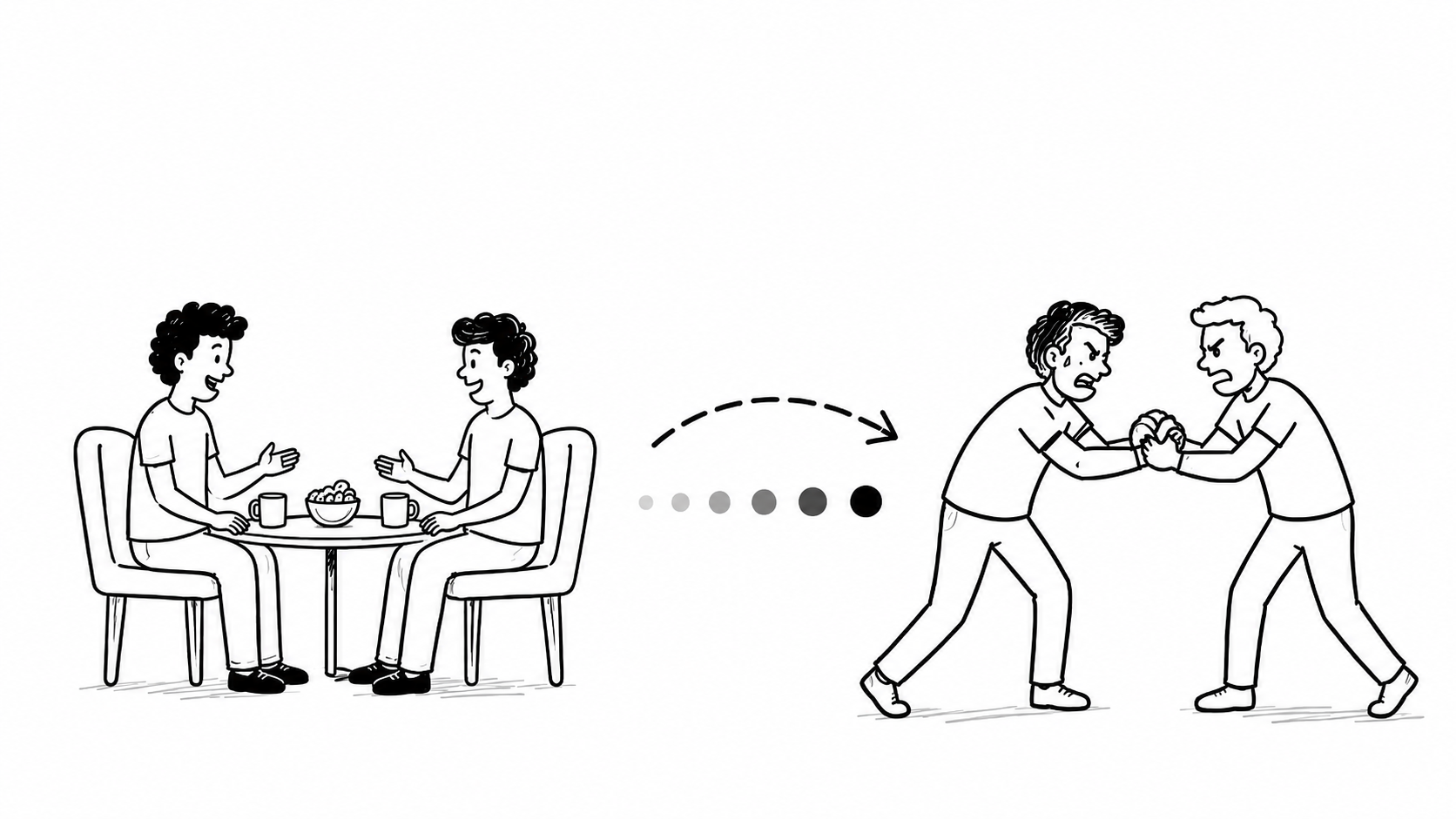
If you ever want to know the easiest way to make your loved ones especially family feel like enemies, here it is: Cut them off mid-sentence. Jump to conclusions. Assume the worst. Attack when all they wanted was to share. That’s it. That’s all it takes.
Let me tell you what made me think about this more deeply. Recently, during a train journey, I witnessed a couple having a tense moment. The husband was trying to say something. He hadn’t even finished his thought, when the wife interrupted. “I know what you’re going to say. You always do this.”
He tried again. “No, please... just let me complete. I have another perspective I want to share.” But she wouldn’t have it. “No. I know exactly where you’re going with this.” At that point, he simply stopped trying. He walked away, clearly upset. And the rest of their journey was in silence.
Now, they’re a couple. They probably love each other deeply. But in that moment, love had no space to breathe. This is how even friends become foes. Not through betrayal. But through everyday interactions, where one person consistently feels unheard, misunderstood, and cut off.
The person interrupting might not be doing it on purpose. Often, it’s driven by an inner insecurity, a trigger from the past, a feeling of not being good enough, or even a belief that they are constantly being judged. So they defend, they assume, they react - all before the other person even completes a thought.
But here’s the deeper danger: If this becomes a pattern, it doesn’t just damage the immediate relationship. It starts spreading. Such people begin to lose emotional closeness with others. They don’t trust easily. They don’t ask for help. They fear vulnerability. They become so guarded that even friends find it hard to connect with them.
And over time, they find themselves lonely, not because others left them, but because they kept shutting others out.
When this kind of behaviour shows up in families, it becomes even more painful. Living with someone who won’t listen or always assumes the worst can create long-term emotional exhaustion for everyone involved. And once relationships are damaged even if there’s a realisation later, the other person may not always be willing or ready to rebuild.
That’s why awareness is so important.
If you’ve ever found yourself reacting sharply, jumping to conclusions, cutting others off - Breathe. Ask yourself: Am I responding to what they said? Or to what I think they’re going to say? You might be surprised how often we confuse the two.
REFLECT
- Sometimes the biggest damage to relationships comes not from what we say, but from not letting others say what they want to.
- Our emotional triggers, if not understood, can turn our best supporters into our most distant strangers.
- What we assume is often not what the other person intends. But we don’t wait long enough to find out.
Takeaways
- Don’t interrupt people mid-sentence, let them complete their thoughts before reacting.
- Don’t assume you know everything they’re going to say, allow room for surprise and understanding.
- Recognise if you’re reacting from old wounds or present reality.
If someone in your family is like this, they need help but it can’t be forced. It must begin with awareness. And if it’s you, start small: one deep breath before replying, one genuine attempt to listen, one act of slowing down. You may just prevent a friend from becoming a stranger.