Family First
MISMATCH MARRIAGES
By Rahul Kapoor
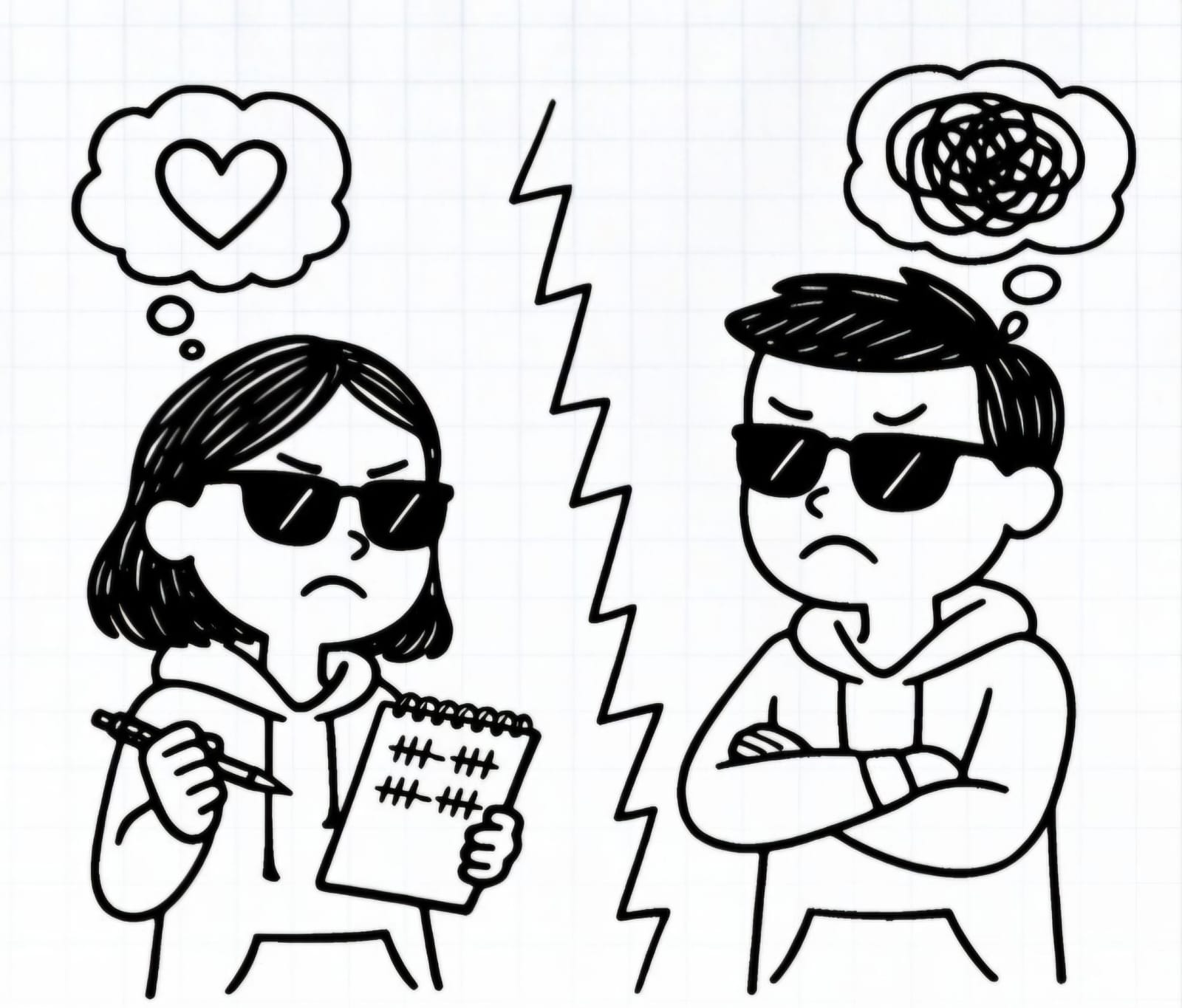
When Two People Struggle, So Does the Whole Family.
Let me start by saying this isn’t an easy chapter for me to write, or for some of you to read. But it’s necessary.
Sometimes, we find ourselves in marriages that simply aren’t working. Not because we didn’t try, not because we didn’t want it to work, but because somewhere along the way, the connection frayed. The friendship faded. And that, right there, is the core issue because marriage without friendship is like a body without breath.
True friendship, the kind that keeps a marriage alive, is rooted in trust, shared values, respect, and genuine care. When that’s missing, it doesn’t just feel like something is off, it feels like you’re dragging your soul through each day. And while people say marriages are made in heaven, the suffering that follows when they go wrong… that’s very much here on earth.
In our culture, especially across India and parts of Asia, we’re taught to stay. To adjust. To compromise. We’re conditioned to carry the burden of an unhappy marriage for the sake of society, family, and children. There’s often no room for open conversations or emotional oxygen. And then come the spiritual justifications - karma, destiny, past lives. But I truly believe: karma may have brought you together, but Purushartha - human effort, determines what happens next.
Why It Hurts So Many
When a marriage is mismatched, it’s not just two people who suffer. Parents suffer watching their children in pain. Children suffer silently, absorbing tension like sponges. The emotional weight of a dysfunctional marriage leaks into every corner of the family, infecting even the joyful moments with unease.
And yet, because of our social conditioning, many couples don’t walk out. Nor do they work it out. They just stay stuck, coexisting without connection, what I call dying a little every day.
So, What’s the Way Forward?
I don’t claim to have all the answers. But here’s what I do know: giving up completely or suffering endlessly aren’t your only two options. There is a middle path - one that requires effort, awareness, and most importantly, a willingness to try, again, with honesty and humility.
- Reach out for help - not to blame the other, but to truly understand yourself and each other.
- Work with a coach or therapist - someone neutral who can help you uncover patterns, reframe pain, and build bridges.
- Find common minimums - shared values, routines, rituals or even moments of laughter that you can grow from.
- Stop spiritualising suffering - spirituality should not become an excuse to stay stuck. If both partners are spiritual, it should heal, not hurt.
And if you’re someone who believes suffering is your only path forward, I gently challenge you: Are you choosing pain, or have you just forgotten how to choose peace?
Final Thought
A mismatched marriage doesn’t mean you’re bad people. It just means the puzzle pieces don’t fit the way you hoped they would. And even then, sometimes with effort, awareness, and compassion, they still can.
But don’t wait until you're emotionally exhausted and spiritually drained. Begin with honest conversations. Be willing to ask for help. Don’t let your life become a silent resignation. Because you deserve more than just surviving, you deserve to live.