Family First
RULES IN THE FAMILY – FOR JOY OR JUST FOR CONTROL?
By Rahul Kapoor
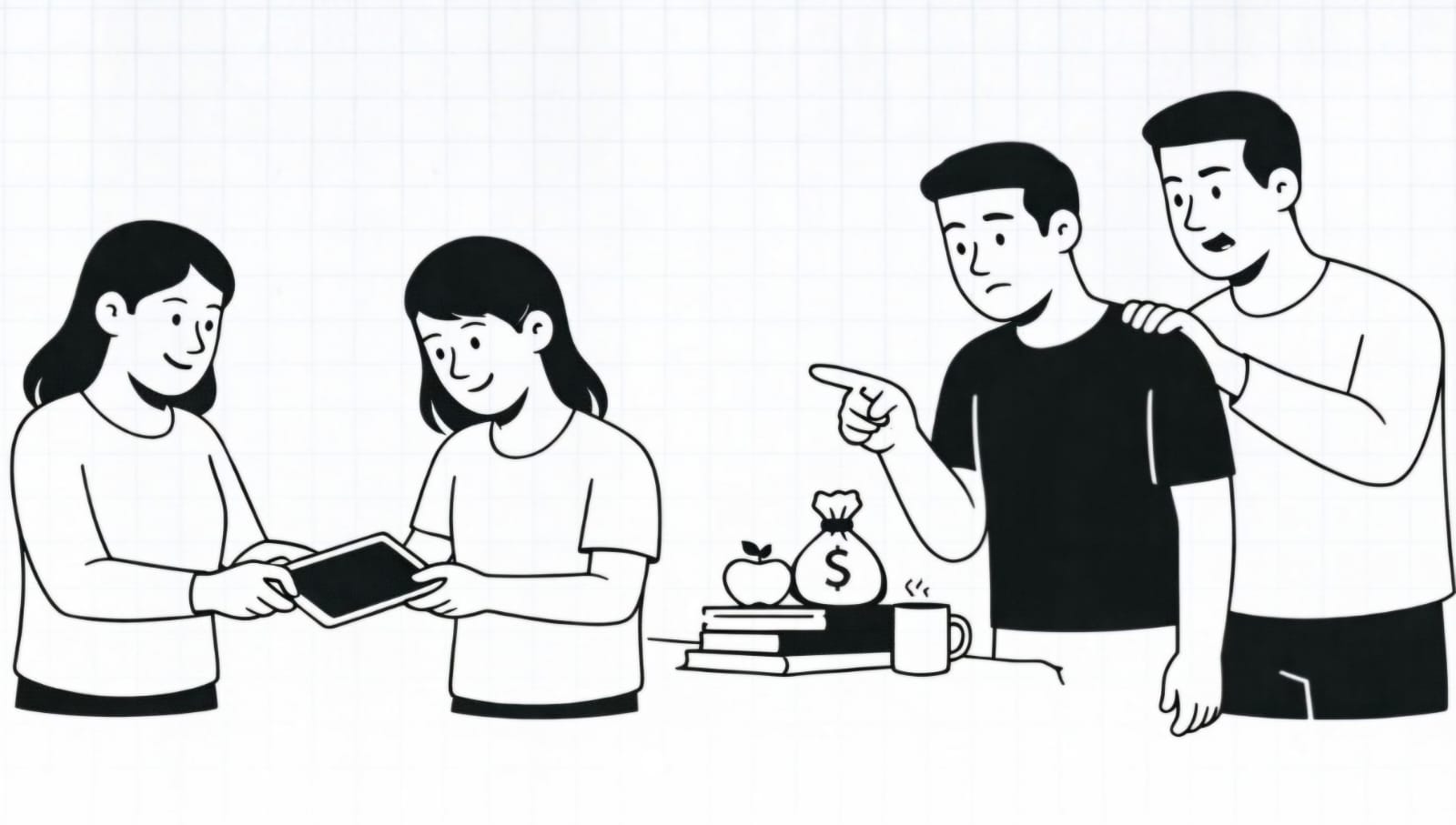
Rules are a part of life. On the road, we follow traffic rules to stay safe. At work, we follow protocols to stay productive. In religious practices, there are rituals and codes that offer structure and meaning. And in each of these areas, rules bring with them a consequence - positive or negative.
But when it comes to family, have we stopped to reflect: Are the rules we create leading to more joy, or are they creating more pain?
Where It Begins
Most families unknowingly adopt rules - some spoken, many unspoken. These rules often come from our upbringing, beliefs, and experiences. But the question is, are they still relevant? Are they fair? Are they helping the family grow, or holding it back?
One of the most common issues in families is double standards.
Parents often have one set of rules for themselves, and a completely different set for their children. This creates confusion and even resentment. Take for example:
- A parent who doesn’t allow their child to eat while watching TV, but does it themselves.
- A father who expects his teenager to clean up after meals, but dismisses the same request from the child when roles are reversed.
If a child is expected to clear their plate and place it in the sink, shouldn’t the same be true for the parent? Why do we label a child ‘disrespectful’ if they make a similar request? This is where hypocrisy slips in, and the foundation of mutual respect begins to crack.
Rules Without Awareness
When children become teenagers, parents often raise expectations suddenly. What was once acceptable at age 10 becomes “irresponsible” at 13. At the same time, teenagers develop their own rules like demanding privacy or setting emotional boundaries. Some of these are valid, but they must also come with mutual respect.
It’s not about who is right or wrong. It’s about whether the rules in the family are helping or hurting the relationship. Rules should never become weapons. They should be tools for clarity and cooperation. If they’re creating fear, stress, and rebellion, something is wrong.
So, What Should We Do?
It starts with a conversation.
- Ask yourself: Why does this rule exist?
- Is it helping build trust, discipline, and joy?
- Or is it creating friction, judgment, and emotional distance?
Parents must be willing to re-evaluate rules inherited from their own upbringing. Just because something was imposed on you, doesn’t mean it has to be passed down. Children, on the other hand, must also reflect on their boundaries. Respect is a two-way street.
REFLECT
- Rules in a family aren’t the problem. The lack of fairness and mutuality in those rules is what causes pain.
- When parents have one standard for themselves and another for their children, it creates confusion, resentment, and disconnection.
- Many rules are based on past experiences, outdated beliefs, or cultural conditioning not the current emotional needs of the family.
TAKEAWAYS
- Build family rules together, so that they’re fair, clearly understood, and commonly agreed upon.
- Use rules to support emotional well-being, not to assert control or superiority.
- If a rule causes more fights than peace, pause and reframe it together as a family.
The goal of rules in a family isn’t control, it’s connection. If a rule brings more pain than peace, it's time to pause, reflect, and rework it.