Family First
IF YOU DO IT, THEN DON’T REMIND ME
By Rahul Kapoor
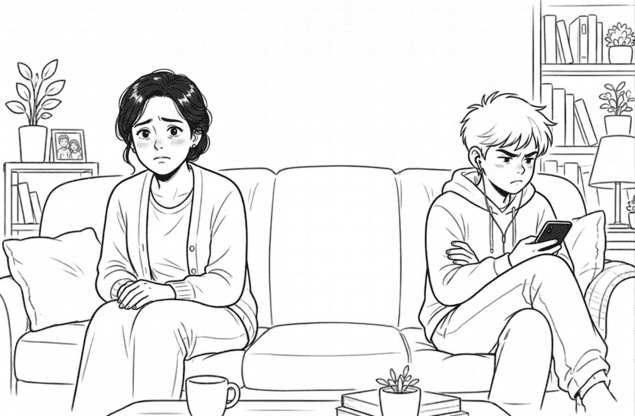
When love turns into a scorecard, even the kindest acts lose their meaning.
It’s a familiar scene in many households. A parent does something thoughtful - wakes up early, prepares everything for the child, supports them during a tough time, sacrifices sleep or comfort and when all comes tumbling out:
”I do so much for you. I was there when you were unwell. I wake up before you. I sacrifice my peace for yours. And this is how you treat me?”
The child, equally frustrated, snaps back: “If you’re going to keep reminding me, then don’t do it.”
That one sentence stings. It hurts the parent deeply. And what follows is predictable: “You’re such an ungrateful child. After everything I’ve done for you...”
Emotions flare. Words are exchanged. No resolution, just hurt.
What’s Really Happening Here?
Why do we say such things? Not because we want our children or anyone to feel indebted. But because in that moment of emotional overwhelm, the truth is: we spoke from fatigue and frustration.
We want to feel appreciated. We want to be seen. We want that our efforts matter.
But the way we express it only deepens the divide.
In truth, most parents don’t want gratitude in return. They just want connection. Respect. Understanding.
And children, though they may not always say it, often do feel loved. But when pushed with guilt, they pull away. When faced with emotional blackmail - even unconsciously delivered - they resist.
It’s Not Just Parents
This dynamic plays out beyond parenting too.
Think of your house help. One day, you ask her to go the extra mile and she refuses. Your frustration builds, and you snap: “Don’t forget all that I’ve done for you. I supported you in your tough time. I’ve treated you like family.”
And she replies: “If you did it from love, then why are you throwing it in my face now?”
Again, the cycle of guilt, hurt, and resistance plays out. What began as love becomes a tug-of-war for power, appreciation, and respect.
What’s the Way Forward?
We must learn to pause. To reflect. If you choose to do something for someone, do it with full heart. But do it with no strings attached.
And if you feel emotionally overwhelmed - pause before reacting. Is this frustration, fatigue, or a deep longing for connection?
On the other side, if you’re the one hearing those words, try not to react instantly. Try seeing the hurt behind the outburst. Try understanding that it’s not about the guilt, it’s about a cry for closeness.
REFLECT
- Are you doing things from love or from expectation?
- Do you speak to be understood or to be right?
- What would shift if you could express without blame?
REMEMBER
Real love doesn’t keep score. True connection comes when we speak with empathy, not accusation.
Relationships thrive when we give freely and forgive quickly.
TAKEAWAYS
- Avoid weaponizing your acts of love. Give without expecting emotional returns.
- When frustration builds, pause before you speak. Words can wound deeper than we realise.
- In any relationship, empathy dissolves conflict faster than logic or guilt ever can.