Family First
WHEN PARENTS DISAGREE
By Rahul Kapoor
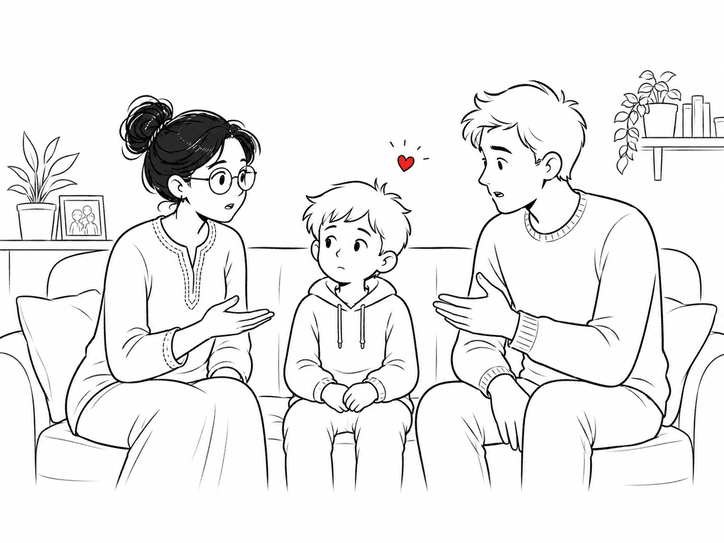
Parenting is not a one-size-fits-all experience. It’s a journey shaped by who we are as people - our personalities, pasts, values, and belief systems. And when two people with different life experiences come together to raise a child, it’s only natural that their parenting styles sometimes clash.
One parent may be an extrovert, another an introvert. One may have grown up in a traditional, conservative household, while the other experienced a more liberal, open upbringing. Add to this the influence of religion, spirituality, emotional history, cultural values, and social conditioning, and suddenly, you’re parenting from two very different maps of the world.
It becomes even more complex as the child grows older.
Different Paths to the Same Destination
Let’s take an example. A mother deeply values religious rituals. She follows practices passed down through generations - chants, ceremonies, temple visits - because to her, these are symbols of grounding and protection. Meanwhile, the father prefers a more spiritual and introspective path. He believes in quiet reflection, meditation, and virtues like compassion and detachment.
They both want the same thing: for their child to grow up with strong values and a sense of purpose. But their approaches are different. And when both parents insist their way is the right way, conflicts erupt.
The child, already in the midst of identity formation, feels torn. Should I follow Mom? Should I agree with Dad? Or is there a way that’s truly mine?
These kinds of disagreements don’t just show up in spiritual beliefs. They manifest in decisions around:
- Education: structured vs. creative
- Freedom: protective vs. permissive
- Money: saving vs. spending
- Discipline: strictness vs. flexibility
In each of these cases, a conflict between parents creates confusion for the child and tension in the family.
Finding Common Ground
The truth is, there is no perfect parenting style. There is no one way to raise a child. But there is one thing that matters most: alignment between parents.
Children need a sense of stability and emotional safety. That means parents must find ways to collaborate, even when they disagree. It’s about setting common values, creating shared rituals, and learning to respect each other’s strengths.
Maybe the religious parent can try a bit of mindfulness. Maybe the spiritual parent can participate in a few rituals. Maybe both can sit with the child and say:
“We may do things differently, but we both love you deeply. And we both want you to grow up wise, kind, and whole.”
When children hear this kind of united message, they feel safe. They feel seen. And they learn one of the greatest lessons of all: People can be different and still deeply respect each other.
REFLECT
- Are you and your partner often disagreeing about parenting approaches?
- What underlying values are driving your decisions?
- Where can you find shared ground, without compromising your core?
REMEMBER
Your child is not a battleground. They are a garden, waiting for the right mix of sunlight, water, and love. You don’t have to be the same. You just have to be aligned.
TAKEAWAYS
- Parenting conflicts usually stem from deeper differences in values, beliefs, or past experiences - not just surface-level disagreements.
- Children feel safest when parents are united, even if they have different styles.
- Mutual respect between parents is the foundation of a healthy emotional environment for the child.