Family First
RAISED VOICE, LOST CONNECTION
By Rahul Kapoor
Why Shouting Breaks Down Relationships
In every family, every relationship, there comes a time when voices rise. Tensions build, and without realizing, someone starts shouting. Not because they’re bad people. But because they feel unheard. Helpless. Out of control.
Here’s what’s dangerous: when that shouting becomes a habit. And worse, when the person shouting doesn’t even realize it.
You may have experienced this: someone is yelling, clearly agitated. You try to remain calm, or you gently say, “You’re shouting.” And what do they say? “No, I’m not. I’m just talking loud.” You scratch your head, wondering, If this isn’t shouting, what is?
This refusal to acknowledge reality is where things start to fall apart. When someone doesn’t even recognize the volume of their voice, how can they become aware of the impact it’s having?
Let’s be honest. Shouting doesn’t solve anything. It only multiplies stress, shortens patience, and silences love.
The Real Damage
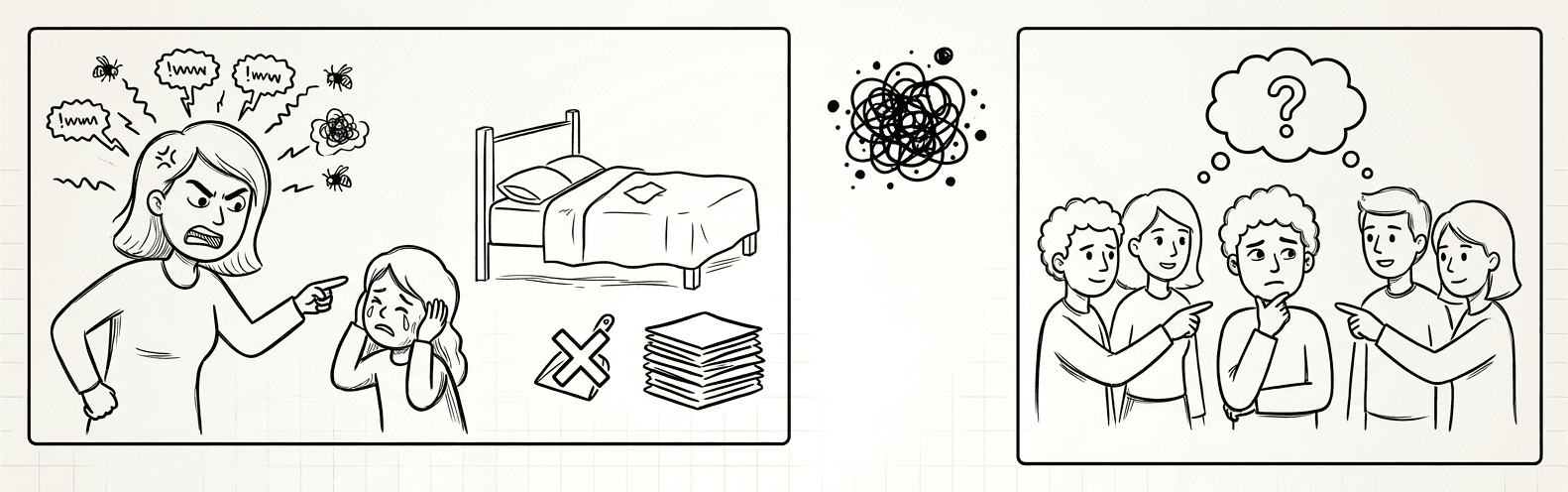
When shouting becomes a pattern, the environment becomes unsafe, not physically, but emotionally. Children withdraw. Partners become defensive. No one wants to engage. Everyone wants to escape.
One person’s volume becomes everyone’s trauma. And yet, shouting continues. Why? Because the brain doesn’t recognize it as a problem.
Unless the person shouting receives calm, clear feedback from multiple people at least 3 or 4 individuals they trust, their mind won’t accept that there’s anything wrong. Until the awareness kicks in, nothing will change. Not today. Not tomorrow. Not even ten years later.
A Real-World Example
Take the case of a mother who shouts regularly at her children, especially when something isn’t done the way she expected.
Say the child forgot to complete a chore. Maybe they genuinely forgot. Maybe they tried and failed. Maybe they were simply lazy and ignored it completely. Before the child can explain, the mother launches into a loud, emotional outburst:
“This is why I don’t trust you with anything!”
“You always disappoint me!”
“I should’ve done it myself!”
The words, combined with the tone, don’t just hurt they scar. Over time, the child stops responding. Or worse, they start mimicking the behavior: either becoming loud themselves or shutting down entirely. What began as “just shouting” ends up becoming a generational pattern.
Loud ≠ Leadership
In families, leadership doesn’t come from raising your voice. It comes from raising your awareness. Being “loud” is not power. It’s often a symptom of feeling powerless. And ironically, it’s the quiet, composed presence that actually commands more respect and creates real impact.
Instead of reacting in volume, can we pause? Can we breathe? Can we speak from our center rather than our trigger? If we can, we shift the entire energy of the moment and the home.
REFLECT:
- Have you found yourself raising your voice because you felt unheard?
- Has shouting ever made your relationships better or worse?
- Have you received feedback about your tone, but resisted it?
TAKEAWAY:
- The volume of your voice doesn’t define your strength. Your ability to stay grounded when emotions rise, that’s true strength.
- If you tend to shout or get “loud,” take feedback seriously. Ask 3 people you trust: “Do I come across as aggressive when I speak?” Listen to their answers without defense.
- Then, take ownership. Practice a pause. Speak with calm intensity, not loud emotion.
Loudness disconnects. Stillness connects. That’s leadership in families.