Family First
STOP DYING A LITTLE EVERY DAY
By Rahul Kapoor
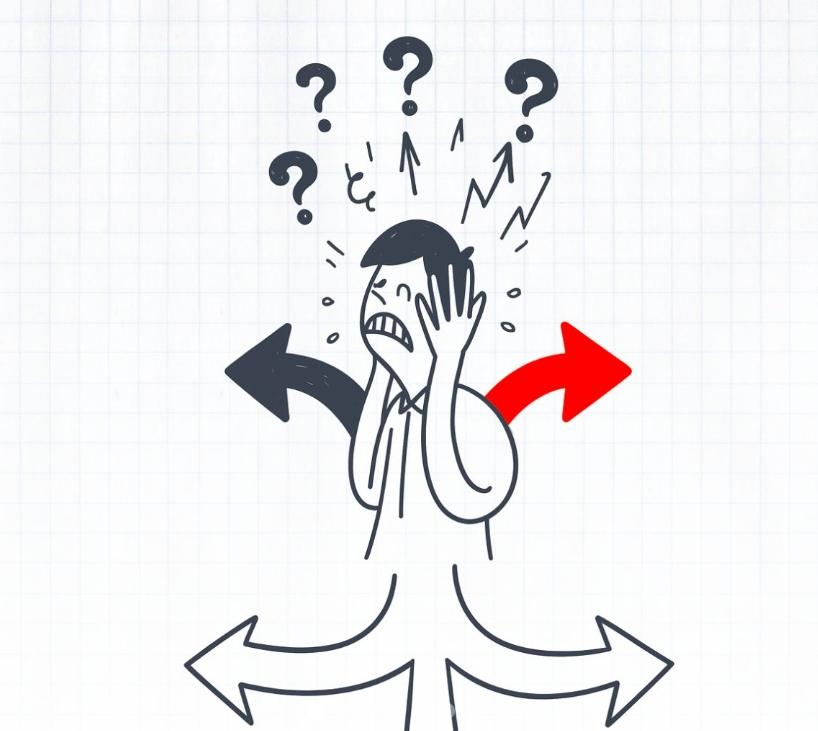
"I'd rather die."
It's a sentence we hear from both sides - children and parents. It may be said in anger, or whispered in despair. Sometimes it's yelled. Sometimes it's buried quietly in a sigh or a tear. But whenever it surfaces, it comes from the same place: deep frustration, emotional exhaustion, and a sense of helplessness that has built up over time.
These words don't appear out of the blue. They are the result of patterns, long-standing cycles of hurt, misunderstanding, and stress that repeat day after day. The same arguments. The same emotional triggers. The same silences. The same loud reactions. It's the weight of things never resolved. And in that space, something begins to die.
It may not be physical. But emotionally, you can feel it.
It's the death of peace at home. The death of mutual respect. The death of easy laughter. The death of feeling safe with each other.
What's heart-breaking is how common it becomes. Families stuck in a loop, walking on eggshells, avoiding certain topics, reacting from habit rather than intention. Over time, people stop looking forward to coming home. They look for ways to stay out, stay away, stay distant. And even when they're physically present, they're emotionally absent.
In this environment, emotional damage spreads like a virus. It doesn’t just affect the one who’s angry or upset, it spills over. Children absorb the tension. Parents absorb the silence. The body suffers. The mind races. Sleep becomes poor. Eating becomes irregular. Escapism begins through screens, substances, overwork, or withdrawal.
You may not realise it, but every angry outburst, every careless comment, every emotionally charged silence is like a small act of destruction. You're killing trust. You're killing joy. You're killing the chance for love to grow. And what's worse, you're training others in the family to do the same.
Our brains are wired to mirror what we repeatedly experience. If loudness is normal, it will be repeated. If sarcasm is common, it will be picked up. If shutting down is the go-to behaviour, it will spread. Over time, the whole family starts to function in survival mode.
But the opposite is also true.
When one person decides to take a breath instead of
shouting...
When one person chooses patience over power...
When one person says,
"Help me understand," instead of,
"You never listen"...
Something powerful begins to shift.
You don't need to wait for the whole family to change. You just need to kill the part of you that's not helping.
Let the old version of you die, the one driven by old beliefs, unprocessed hurt, impulsive habits, and inherited anger. Let go of the narrative that says, "That's just how I am." That version has already cost you too much.
In its place, create space for a calmer, wiser, more emotionally grounded you.
This isn't about perfection. It's about awareness. It's about choosing growth over guilt.
It's about slowing down long enough to ask:
"What energy am I bringing into this home?"
"What legacy of emotion am I leaving behind for my
children or my parents?"
"What story do I want to change?"
Instead of dying a little every day, start living with intention.
Kill the anger. Kill the ego. Kill the behaviours that poison love. And let something beautiful be born: New habits. New compassion. New strength. A new home environment. The choice is yours. And the time is now.
REFLECT
- Have you or someone in your family ever said, "I'd rather die"? What triggered it?
- What patterns in your home are slowly eroding peace and trust?
- Are you reacting from hurt, or responding from wisdom?
TAKEAWAY
- Words of pain are signs of deeper emotional exhaustion. Don't ignore them.
- Repeating toxic cycles leads to emotional decay for you and your family.
- You don't need the whole family to change, start with you.