Family First
ANGRY PARENTS, SILENT DAMAGE
By Rahul Kapoor
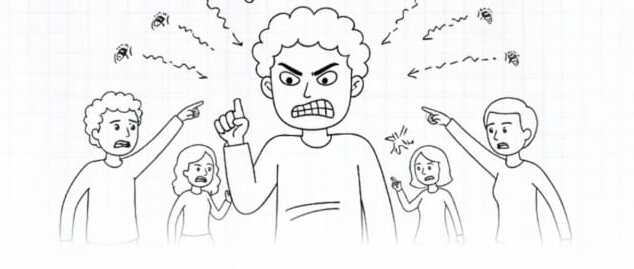
Most parents don’t plan to yell at their children.
But many do - often out of stress, fatigue, or emotional overload. The trouble is, once words are spoken in anger, they don’t just disappear. They linger. They leave marks.
I’ve seen this across families: one parent’s inability to regulate emotion ends up impacting the entire household, not just emotionally, but physically. High stress, blood pressure, hypertension, even diabetes, these often have roots not just in diet, but in daily emotional turbulence.
The Two Kinds of Children
When parents yell, children respond in two ways:
- Some reflect that same anger back - loud, reactive, and defiant.
- Others go silent - bottling their pain, slowly pulling away, emotionally and physically.
In either case, the result is distance. Not just from the parent, but from themselves.
Some retaliate subtly - skipping studies, doing the opposite of what’s expected. Not because they want to fail, but because they want to be heard.
Escape Isn’t Resolution
Many children eventually look for an escape - a hostel, a course in another city, or marriage. It’s not always opportunity they’re chasing, sometimes, it’s peace.
But that peace is temporary. Because when the family eventually gathers again at festivals, weddings, or emergencies and the old wounds resurface. The silence returns. And so does the emotional gap.
The Rare Few
There are a rare few who grow stronger through it all - emotionally intelligent, balanced, responsible. They break the pattern. But that’s rare. And it should never be left to luck.
The Real Work
If you’re a parent who loses control often, this isn’t about blame. It’s about awareness.
Emotional regulation is not weakness, it’s wisdom. Saying, “This is just how I am,” doesn’t serve anyone. Especially not your child.
Unregulated anger doesn’t build character. It builds fear, distance, and deep-rooted hurt. And the damage isn’t limited to one outburst, it shapes years of perception, self-worth, and even how your child will one day parent.
REFLECT
- Are your words building your children or breaking them?
- Are you reacting, or responding?
- Are you using anger as a tool… or as a wall?
TAKEAWAY
- You don’t need to be perfect.
- But you must be present, aware, and accountable.
- Because the words we speak in anger may last 30 seconds… But their impact can last 30 years.