Family First
BEING FAIR: THE INVISIBLE BALANCING ACT IN FAMILIES
By Rahul Kapoor
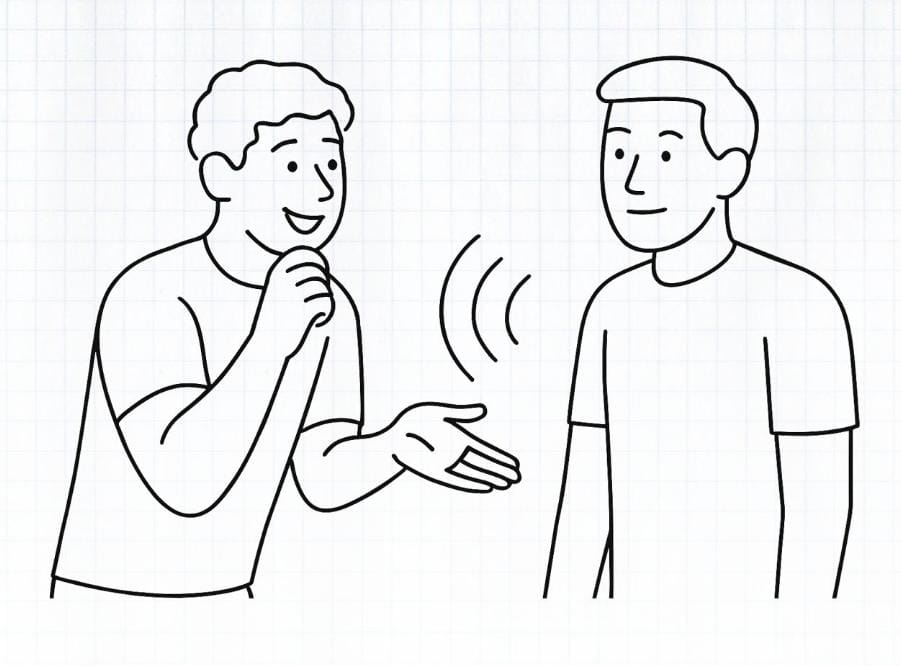
Being fair sounds simple. But in families, especially joint families, it can be one of the most delicate and emotionally charged responsibilities.
What does fairness really mean?
Take a small example. A wedding is coming up. One child wants all new clothes, the other is happy to mix and match with a few refreshed outfits. Now, as a parent, should you simply let each one do what they want? Or should you step in and level the playing field?
From the outside, it may look like a simple choice. But inside the family, these small moments often create silent perceptions. One child might feel valued, the other may feel neglected, even if you didn’t intend it that way. Over time, perceptions become beliefs. Beliefs harden into resentment. And that’s when cracks begin to show.
Fairness Isn’t Always Equal
Fairness doesn’t always mean giving everyone the same thing. It means giving everyone what they need, in a way that makes them feel respected and seen.
In joint families, this can get even more complicated.
One brother may be managing the family finances. Another may be running the business. A third may be building his own path. But if there isn’t open communication and mutual agreement on how money, attention, or effort is shared, doubts start creeping in.
- Why did he get more?
- Why wasn’t I asked?
- Why do they always take the final call?
Perception Becomes Reality
Sometimes, the person in charge may feel they are being fair, giving everyone what they deserve. But others may not experience it that way. Maybe they’re less expressive. Or maybe they’ve learned to keep their emotions to themselves. But silence doesn’t mean agreement.
You may buy something for your child, but if the cousin in the same household doesn’t receive something of similar value, it stirs a question: “Are we not equal?” And when fairness is questioned, trust takes a hit.
The Role of Leadership
Fairness in families isn’t just about rules. It’s about leadership. The person at the center often the head of the family must have:
- A long-term vision
- A deep sense of empathy
- The ability to make sacrifices
- And above all, the wisdom to listen before deciding
Being fair is not about keeping score. It’s about keeping peace.
REFLECT
- Are you making space for everyone to feel seen and heard?
- Are your decisions based on open dialogue or quiet assumptions?
- Is your fairness understood… or just practiced in your head?
TAKEAWAY
- Fairness in families is not a transaction. It’s a relationship practice.
- It doesn’t live in logic. It lives in emotion, perception, and care.
- And when it’s done right, it builds harmony that lasts generations.