Family First
HELP FLOWS... BUT NOT AT HOME
By Rahul Kapoor
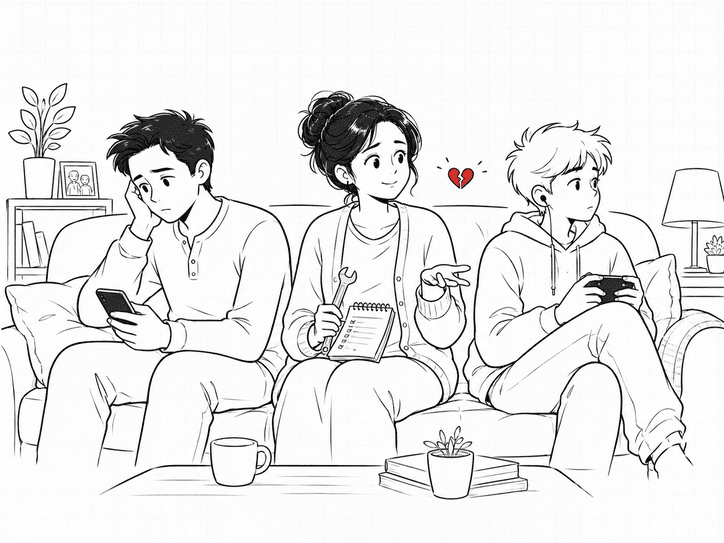
Isn’t it strange? We’re quick to respond when a stranger needs help - directions on the road, an urgent fundraiser link, a voice message from someone in trouble. Our instinct kicks in and we step up. That’s the human heart in action.
But when it comes to our own home... something shifts. A mother’s simple request to her children is brushed off. A father’s plea to join in fixing something gets delayed or ignored. A husband and wife - who once moved mountains for each other, suddenly can’t seem to lift a finger for the smallest things.
Why does that happen?
Let’s take a familiar example. A couple moves into a new rental home. The wife has taken the lead - sorting out the kitchen, coordinating with plumbers, making lists. The tap is leaking, the cabinet drawer is stuck, the electrician hasn’t shown up. She turns to her husband, expecting support. Instead, she’s met with silence. Or worse, indifference.
It’s not because he doesn’t care. It’s because of what came before the request. Maybe her tone was harsh. Maybe she’s been interrupting him all day. Maybe he’s exhausted but hasn’t said it aloud. And so, a small ask turns into a big emotional shutdown.
Now it’s not about the leaking tap. It’s about the bruised ego. The missing empathy. The way they’ve both stopped listening.
And this... this happens all the time.
One partner feels unheard. The other feels unappreciated. They both want peace but don’t know how to reach it anymore. Even when the help does arrive, it’s laced with sarcasm or guilt. The joy is gone. The connection - missing.
And this dynamic doesn’t stop with couples. It’s just as common between parents and children. A mother asking her teenager to help gets a cold “not now.” A child seeking help with homework gets a distracted “later.”
But here’s the thing - at the heart of every refusal is not unwillingness. It’s usually emotional exhaustion. It’s the weight of unresolved tensions. People want to help but they also want to be seen, heard, and appreciated first.
So what’s the way forward?
We have to choose love over urgency. We need to replace accusations with invitations. Conversations, not commands. Listening, not lecturing.
When this shift happens, something beautiful unfolds.
The same partner who refused to help earlier begins to anticipate your needs. The same child who resisted, shows up because they feel connected, not cornered. Families are built on moments like these - not grand gestures, but simple, sincere understanding.
REFLECT
- Am I asking for help with empathy or expectation?
- When I refuse support, what’s really going on inside me?
- How can I create space where help is given with joy?
REMEMBER
Helping each other is our nature.
But love is the only language that makes it flow.
TAKEAWAYS
- Help flows more easily at home when empathy replaces ego.
- Tone and timing often matter more than the task itself.
- A loving, safe space encourages willing and joyful support.