Family First
BARE MINIMUM, BIG IMPACT
By Rahul Kapoor
Children are the heart of every family. They bring joy, hope, energy and often become the reason parents smile, strive, and stay strong. Their laughter fills a home. Their dreams fuel our ambitions. Their presence gives life its deepest meaning.
And yet, parenting isn’t easy, not because children are “difficult,” but because they are constantly evolving.
Every age brings its own challenges:
- 0 to 9 – Full of dependency and discovery
- 9 to 12 – Brimming with curiosity and early independence
- 13 to 19 – Wrestling with emotions, identity, and rebellion
- 20 to 25 – Learning to be adults, build relationships, and find direction
Each phase is wildly different and yet many parents still follow a one-size-fits-all approach: treating teens like toddlers or expecting wisdom from an 11-year-old. Naturally, things fall apart. Children change. And so must our parenting.
But here’s the part children often forget: Parents are human too. They’re not superheroes. They worry, struggle, and carry invisible loads but they keep trying, for you.
A Small Story with a Big Insight
Recently, I was coaching a 15-year-old boy named Aarav and his parents. Aarav was intelligent, kind but messy and moody. His room was always chaotic. He’d forget chores and rarely acknowledged his parents' efforts. His mother felt exhausted, constantly reminding and repeating herself. His father, already dealing with stress at work, felt the home wasn’t a place to relax anymore.
When I asked Aarav to reflect, he said something honest: “I didn’t think it mattered. I thought they’d understand I’m just not that organised.” That conversation was a turning point. He didn’t need to change his entire personality. Just do the basics. And within a few weeks of doing the bare minimum - tidying up, following routines, and simply saying “thank you”, the atmosphere at home completely shifted.
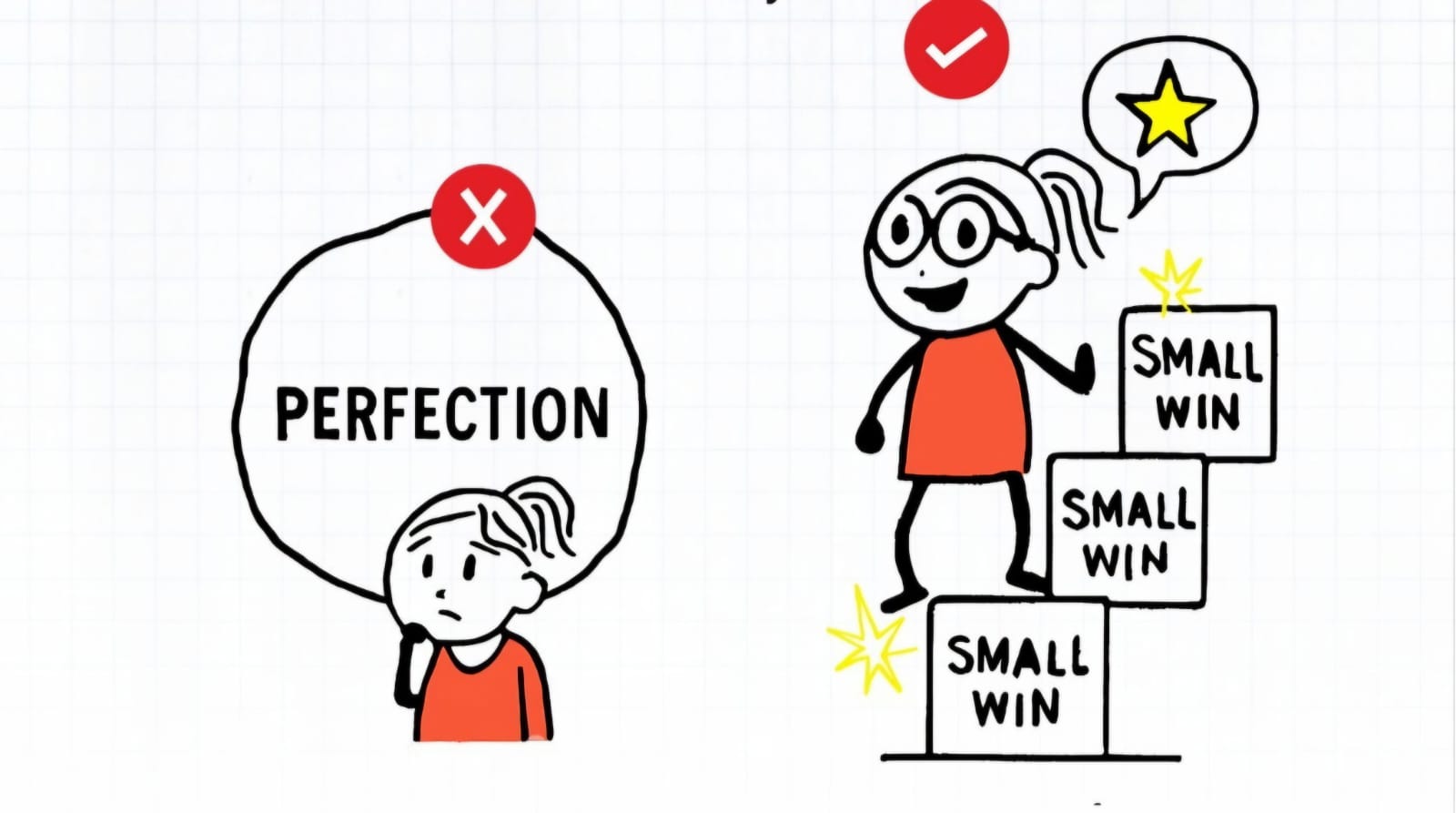
The lesson? You don’t need to be perfect to create peace. Just present. Just aware. Just responsible. Shift your focus from just self-care to self-management, emotional intelligence, and contribution.
The Bare Minimum:
Your parents are already juggling a lot. The least you can do is take ownership of the basics:
- Communicate clearly and respectfully, even in conflict
- Take full ownership of your time, work, and responsibilities
- Contribute to the house - logistically, or emotionally
- Acknowledge your parents’ efforts and be vocal in your appreciation
- Maintain basic hygiene, space, and boundaries
- Show up when it matters - meals, milestones, or moments of stress
- Learn to say: “How can I help?” without being asked
These may sound simple but ignoring them repeatedly becomes a pattern. A small frustration repeated daily becomes a burden. And soon, love turns into coping.
Ever heard someone say, “All this drama because of a plate not kept in the sink?” It’s never about the plate. It’s about the pattern behind the plate.
Every careless moment sends a message: “I don’t care enough.” Every repeated habit says: “Someone else will pick it up.” And that is what breaks people down not the act, but the message.
It’s Not About Perfection. It’s About Contribution.
You don’t have to win awards or become a genius overnight. But you do need to be aware of how your choices impact others. That’s how families grow, not through grand gestures but through consistent small acts of respect and effort.
When you take care of your basics, your parents are freer to take care of you. And the family can move forward faster, together.
REFLECT
- Are you adding to peace or pressure in your home?
- What 3 things can you start doing every day to reduce your parents’ stress?
- When was the last time you offered a genuine “thank you” without being reminded?
TAKEAWAY
- Small things aren’t small if they happen every day.
- Self-discipline is not about rules, it’s about respect.
- When you do the bare minimum, consistently, you unlock maximum harmony at home.